
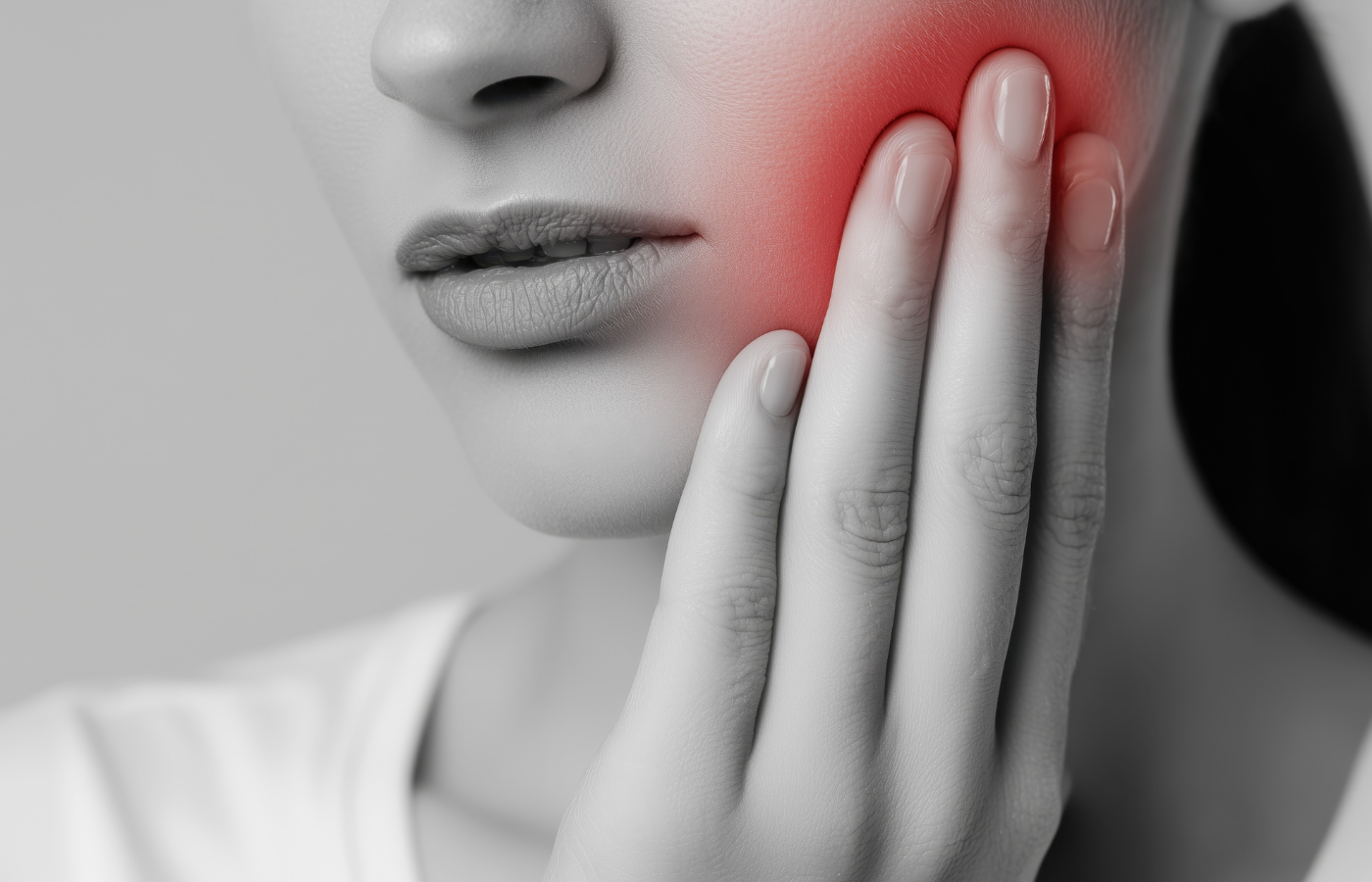
Urgent Dental Care When You Need It Most
Dental emergencies rarely happen at a convenient time. A sudden toothache, a cracked tooth or an injury to the mouth can be frightening, and knowing who to call makes a real difference.
Luminous Dentistry offers emergency dental care to patients in Wakefield, MA and the surrounding North Shore. Call our office, tell us what is happening, and our team will advise you on the best next step for your situation.
Acting early often protects the tooth, limits pain and keeps a small problem from becoming a larger one.
What Counts as a Dental Emergency?
A dental emergency is any urgent problem that needs prompt professional attention to save a tooth, control bleeding, relieve severe pain or treat infection.
Severe Toothache
Throbbing or constant pain that keeps you awake or does not ease with over-the-counter relief usually points to deep decay, an exposed nerve or infection.
Knocked-Out Tooth
A permanent tooth that has been knocked out is time sensitive. The sooner it is seen, the better the chance of saving it.
Broken or Cracked Tooth
A deep crack, a large missing piece or a visible inner layer can mean the nerve is at risk and needs prompt care.
Abscess or Swelling
A pimple-like bump on the gum, a bad taste, fever or swelling in the face or jaw can signal a spreading infection.
Uncontrolled Bleeding
Bleeding from the mouth after trauma or a procedure that does not slow with firm pressure needs urgent attention.
Loose Permanent Tooth
An adult tooth that has become loose after an injury should be evaluated quickly, before the damage progresses.
Dentist, Emergency Room or Schedule a Visit?
Not every dental problem needs the same response. Use this as a quick guide, and call us if you are unsure.
Call Us Right Away
Needs a dentist- Severe or throbbing toothache
- Knocked-out permanent tooth
- Broken tooth with pain or exposed nerve
- Gum abscess or localized swelling
- Bleeding that does not slow
Go to the ER or Call 911
Life-threatening or trauma- Swelling that affects breathing or swallowing
- Swelling spreading to the neck or eye
- A suspected broken jaw or facial bone
- Head injury, confusion or loss of consciousness
Usually Can Be Scheduled
Call us for the next visit- A small chip with no pain
- A lost filling or crown without discomfort
- Mild sensitivity to hot or cold
- A broken bracket or wire that is not cutting your cheek
First Aid While You Get Help
Simple steps that can help protect the tooth and ease discomfort until you are seen.
Knocked-Out Tooth
- Pick it up by the crown (the chewing surface), not the root.
- If it is dirty, rinse gently. Do not scrub or wipe it.
- If you can, place it back in the socket. Otherwise keep it in milk.
- Call us immediately.
Toothache
- Rinse with warm salt water.
- Hold a cold compress against the outside of your cheek.
- Use over-the-counter pain relief as directed on the label, if it is safe for you.
- Do not place aspirin directly on the gum.
Broken Tooth or Bleeding
- Rinse gently with warm water and save any pieces.
- Press clean, damp gauze on any bleeding area with firm pressure.
- Use a cold compress to limit swelling.
- Call us for guidance.
This is general first aid, not a substitute for professional care. Tooth pain rarely goes away permanently on its own, so call us even if the pain eases.

What Emergency Care May Involve
What we do depends on what we find. After listening to your symptoms and examining the area, with imaging where needed, we will explain what is happening and what your options are.
- Easing pain and calming an irritated or infected tooth
- Repairing a cracked, chipped or broken tooth
- Re-securing or replacing a damaged crown
- Removing a tooth that cannot be saved
- Planning a longer-term restoration once the urgent problem is settled
If something needs a specialist or a hospital, we will tell you plainly. For anxious patients, sedation options are available. Every job is quoted after inspection, contact us for a quote.
Your Emergency Visit, Step by Step
Calm, clear and focused on getting you out of pain.
Call the Office
Tell us your symptoms. We will advise you on what to do and arrange the next step.
Exam and Imaging
We examine the area and take any imaging needed to understand what is going on.
Relief and Treatment
We address the urgent problem and explain each option before we proceed.
Follow-Up Plan
If a longer-term repair is needed, we plan it with you so the problem does not return.
Related Services
Many emergencies lead to follow-up care. These pages cover what often comes next.
Dental Crowns
Protect and rebuild a cracked, broken or heavily worn tooth.
General Dentistry
Exams, fillings, extractions and everyday care under one roof.
Sedation Dentistry
Calmer visits for patients who feel anxious about urgent treatment.
Replace a Lost Tooth
Dental implants and same-day options for teeth that cannot be saved.
Emergency Dentist FAQs
A dental emergency is any urgent issue that needs prompt professional attention to relieve severe pain, control bleeding, treat infection or save a tooth. Common examples are severe toothache, a knocked-out permanent tooth, a deep crack or break, a gum abscess or facial swelling, and bleeding that will not stop.
Call a dentist for most tooth and gum problems, because an emergency room usually cannot perform dental procedures such as extractions, root canals or repairs. Go to the ER or call 911 for swelling that affects your breathing or swallowing, a suspected broken jaw, a head injury or uncontrolled bleeding.
Pick the tooth up by the crown, not the root. Rinse it gently if it is dirty, without scrubbing. If you can, place it back in the socket, or keep it in milk, and call us right away. Time matters, and the sooner the tooth is seen, the better the chance of saving it.
It can be. Severe pain, facial swelling, a pimple-like bump on the gum, fever or feeling unwell can signal an infection that needs prompt care. A decayed tooth without those symptoms still needs treatment soon, but may not need urgent attention.
Persistent tooth pain rarely goes away permanently without treatment. It usually points to decay, a cracked tooth, a damaged filling or an infection, and these tend to worsen over time. If the pain eases, the underlying problem may still be there, so it is worth having it checked.
Prop your head up with an extra pillow, since lying flat can increase pressure around an inflamed tooth. A cold compress on the outside of the cheek and a warm salt water rinse can help. Avoid very hot, cold, sugary or chewy foods, and use over-the-counter pain relief only as directed on the label. Then call us.
Often, yes, when a tooth is badly damaged or infected and cannot be saved. If there is a significant infection, the dentist may first stabilize the area with medication so that treatment is safer and more comfortable. We will explain what is best for your situation.
A small chip without pain, mild sensitivity, a lost filling or crown without discomfort, or a loose bracket that is not cutting your cheek can usually wait for a scheduled visit. Call us anyway if you are unsure, and we will help you decide.
Dental emergency? Do not wait.
Call (781) 587-2605Serving patients in Wakefield, Lynnfield, Reading, Stoneham, Malden and nearby North Shore communities.